Villahermosa—literally translated as “Beautiful Village”—is a city located in the Mexican state of Tabasco. To many, it may sound unfamiliar. I myself had only a vague impression of it before this trip, knowing merely that it’s a tropical city in the southern part of the Gulf of Mexico, rich in Mayan and Olmec heritage. The decision to visit Villahermosa, rather than heading to popular tourist spots like Cancún or Mexico City, came through a serendipitous recommendation from a friend. He told me, “It doesn’t have the noise or glamour of bigger cities, but there’s something primal, weighty, and gently soothing about it.” After traveling there myself, I finally understood what he meant.
The journey lasted five days, and each day brought with it surprises, reflection, and insight. In this article, I’ve compiled the ten most important things I discovered in Villahermosa, hoping to provide a detailed and authentic guide for those considering this lesser-known corner of Mexico.
1. Heat is the Norm, Humidity the Constant – Understanding Villahermosa’s Climate
The moment you step off the plane, you’re greeted not just by heat, but by the thick, moisture-laden air. Villahermosa lies in the tropics, and two words best describe its climate: hot and humid. With an average annual temperature hovering around 27°C (about 81°F), I arrived in late April, right at the peak of the muggiest season. Daytime temperatures easily soar above 35°C (95°F), and with humidity levels through the roof, even a ten-minute walk left my back drenched in sweat.
The locals are, of course, accustomed to this. Both men and women dress very lightly, often carrying handkerchiefs or towels to frequently wipe away perspiration. I soon adopted their practices, abandoning my long-sleeved shirts in favor of quick-dry t-shirts and loose shorts. If you’re planning a visit, be sure to pack sunscreen, insect repellent, sunglasses, and a wide-brimmed hat. Staying hydrated is crucial—I drank at least three liters of water daily just to keep up with the heat.
Despite its intensity, the heat here isn’t oppressive. Especially in the late afternoon, when the sun filters through towering palm trees and casts dappled shadows along the streets and rooftops, there’s an almost tranquil charm. The warmth doesn’t come from asphalt or concrete but from the sun itself—natural, steady, and life-giving, as though the whole city is gently cradled in sunlight.
2. This Isn’t a Tourist Town—But It’s Worth a Slow Walk
Villahermosa is not a city built for tourism. As the capital of Tabasco state, it serves primarily as a political and economic hub. That lack of tourist polish, however, becomes its charm. There’s no glossy facade catering to outsiders—what you see is raw, authentic everyday life. The streets hum with real activity: locals haggling over produce at markets, the scent of roasted corn from roadside vendors, children walking home from school. Every scene feels unfiltered and human.
On my second day, I ditched taxis and decided to explore the city center on foot. Starting from Parque Juárez, I wandered through the Zona Luz, and followed the path along the Grijalva River all the way to La Venta Park. Along the way, I stumbled upon a few small local markets—one selling fresh fruit and vegetables, another with handmade leather goods, and a third with steaming tamales that gave off an irresistible aroma. I bought a chicken tamal and ate it under a shady tree, listening to a street guitarist while watching an elderly couple slow-dance in the distance.
For a moment, I felt I had become part of the city’s daily rhythm—not a tourist passing through, but a quiet participant in its story.
3. The Olmec Colossal Heads Are Not Just Sculptures—They’re Time, Watching You
No mention of Villahermosa is complete without La Venta Park (Parque-Museo La Venta), a unique blend of archaeological museum and nature reserve. Its most renowned attractions are the massive Olmec stone sculptures, especially the world-famous colossal heads.
I arrived early in the morning and followed a lush, tree-lined path until I encountered one of the stone heads—around two meters tall, intricately carved with a stern, mysterious expression. Thick lips, a broad nose, and a helmet-like headdress conveyed power and secrecy. Archaeologists estimate these artifacts date back over 3,000 years and are the legacy of the Olmec civilization—arguably the oldest in Mesoamerica.
Standing before these stone faces, I felt an uncanny sense of being watched—not in a metaphorical way, but as if time itself was peering back at me through those ancient eyes. Some say the sculptures were monuments to rulers, others claim religious significance. I prefer to believe they are keepers of memory—witnesses to the rise and fall of civilizations, to countless storms and sunrises. Their presence humbles you, grounding you in a history far older than yourself.
4. The Grijalva River Is Not for Sightseeing—It’s the City’s Lifeblood
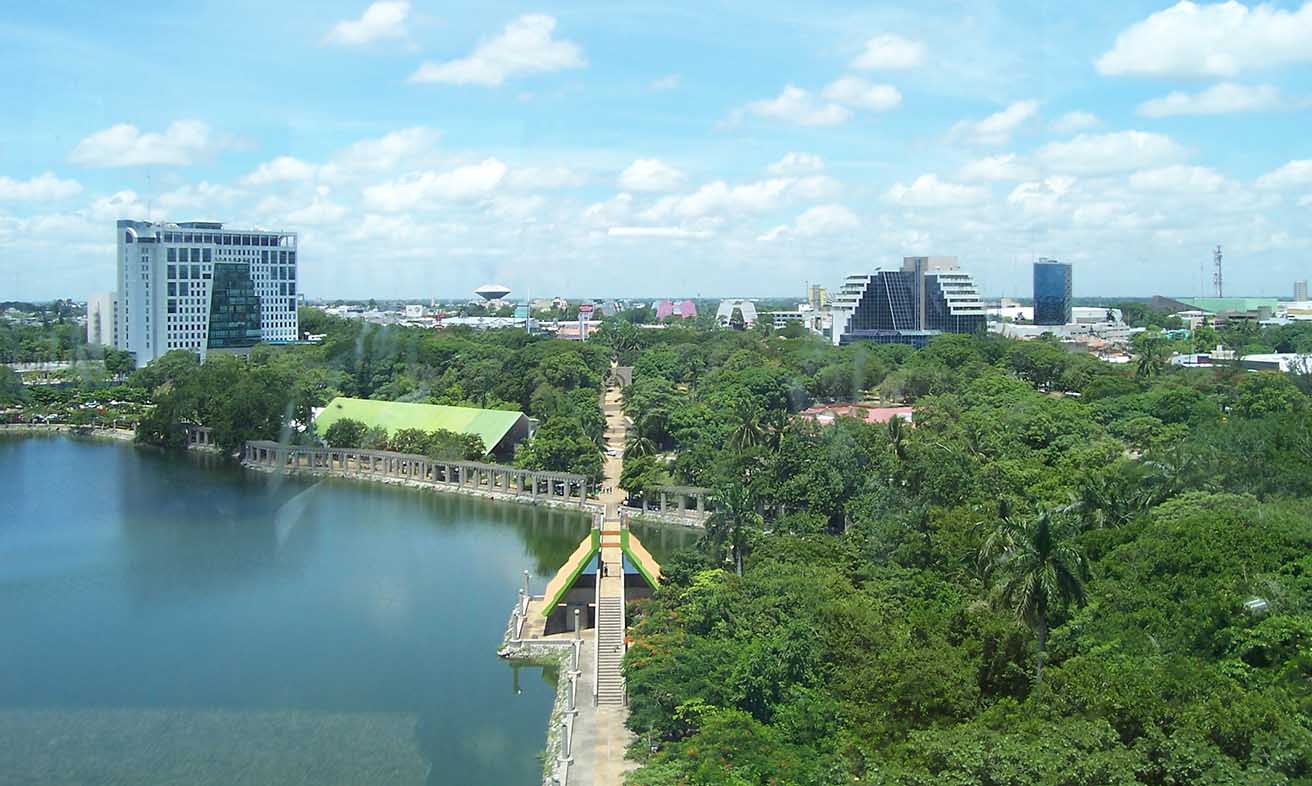
Villahermosa is a city built around water. It’s encircled by rivers and lakes, the most significant of which is the Grijalva River. Originating in the highlands of Mexico, it winds its way northward, flowing right through the heart of the city.
On the morning of my third day, I walked along its banks just after sunrise. The water shimmered gently under the light. Joggers passed me, a few elderly folks sat in quiet reflection, and some fishermen cast nets from the shore. There are no fancy docks or overly designed waterfront attractions—just raw, natural coexistence between river and people.
The Grijalva is vital to the city’s life. It supplies drinking water, supports agriculture, and once played a crucial role in transportation. Along its banks, you’ll find old wooden homes built on stilts—remnants of a more traditional, tropical lifestyle.
I highly recommend a walk here at dawn or dusk. The tranquility of the river weaving through the waking or resting city is a profoundly peaceful experience—like witnessing a conversation between land and water.
5. Food Here Isn’t Just Delicious—It’s a Continuation of History and Home
Before coming to Villahermosa, my understanding of Tabasco cuisine was limited to a single condiment: Tabasco sauce. But the food here tells a much richer and more complex story.
On my first night, I visited a local eatery called Restaurante La Cevichería. The menu was a maze of unfamiliar Spanish dish names. I asked the waiter for a recommendation. Smiling, he said, “You have to try the pejelagarto.” At first, I didn’t understand—then he explained it was a type of freshwater fish, resembling a small alligator, deeply rooted in the region’s culinary tradition.
When the dish arrived, the fish was grilled to perfection—crispy on the outside, tender within, served with chili sauce, onions, and lime. The flavor was smoky, savory, with a hint of sweetness. An elderly man nearby told me, “That’s what our fathers used to cook after fishing trips—on open fires at home.”
Other local staples like tamales wrapped in banana leaves and pozol (a thick, slightly sour drink made from fermented corn and cacao) added to the region’s culinary identity. Each bite and sip felt like stepping into someone’s memory—a celebration of family traditions, regional pride, and ancestral wisdom.
6. Language Barriers Can Be Bridged With Sincerity—A Smile Is the Universal Passport
In Villahermosa, Spanish is the only language you’ll hear in most places. Unlike tourist-heavy cities, English is not commonly spoken here—especially by street vendors, taxi drivers, or bus operators.
My Spanish is rudimentary at best, limited to ordering food and asking for directions. At first, communicating felt daunting. But I quickly learned that sincerity goes a long way. People were patient, often smiling as they helped me fumble through phrases. Many even used hand gestures to aid understanding.
Once, while confused at a bus stop, a kind older man approached and asked if I was lost. Using a translation app and basic phrases, we pieced together enough of a conversation for him to accompany me onto the bus and get me to my stop. Before leaving, he patted my shoulder and said, “Buena suerte, amigo.” Later, I looked it up: “Good luck, my friend.”
In Villahermosa, the warmth of the people makes the language barrier feel less like a wall and more like a friendly puzzle. You don’t need perfect grammar—just politeness, patience, and an open heart.
7. Step Into the Architecture—Where Colonial Charm Meets Tropical Practicality
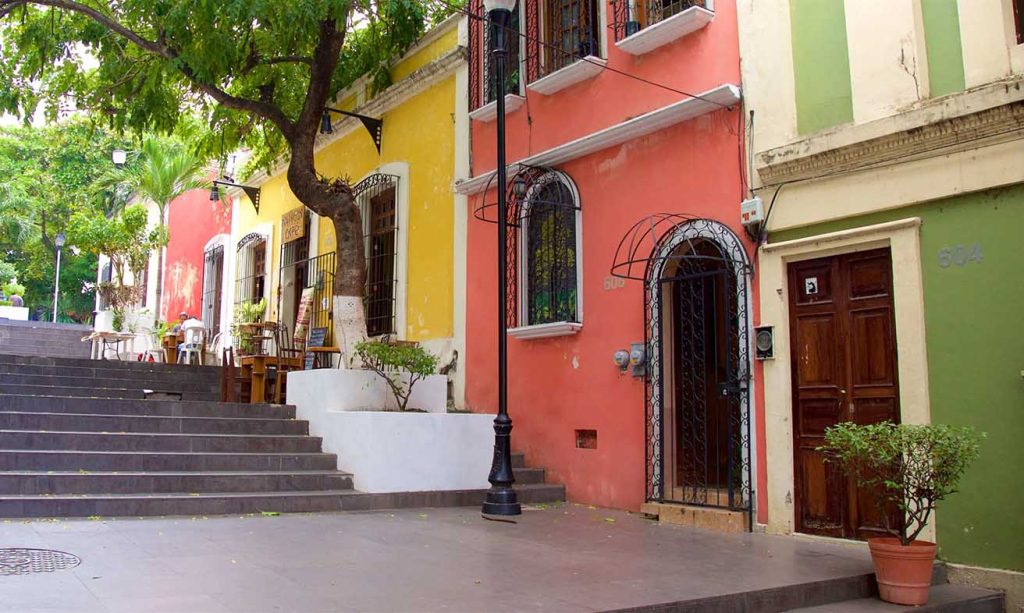
Villahermosa’s architectural style carries the echoes of colonial influence, softened by the demands of tropical life. Unlike central Mexican cities with thick adobe walls and fortress-like courtyards, the buildings here are light and airy—painted in whites, pale blues, and yellows, with wide overhanging eaves, shaded balconies, and wicker furniture nestled under awnings.
One place particularly stayed with me: Casa de los Azulejos, or “The House of Tiles.” This 19th-century mansion, now a cultural center, is covered in handmade blue-and-white ceramic tiles. Inside, stained glass windows cast colored light on wooden floors, creating a peaceful, almost dreamlike atmosphere.
Even government buildings, old banks, and churches reflect this architectural blend. Walking through such neighborhoods feels like straddling eras—on one side, bustling street life and modern storefronts; on the other, remnants of elegance from centuries past.
Architecture here is not just about function or style—it’s a silent, persistent witness to the merging of cultures and climates.
8. Nights Are for Parks and Plazas—For Conversation and Dance
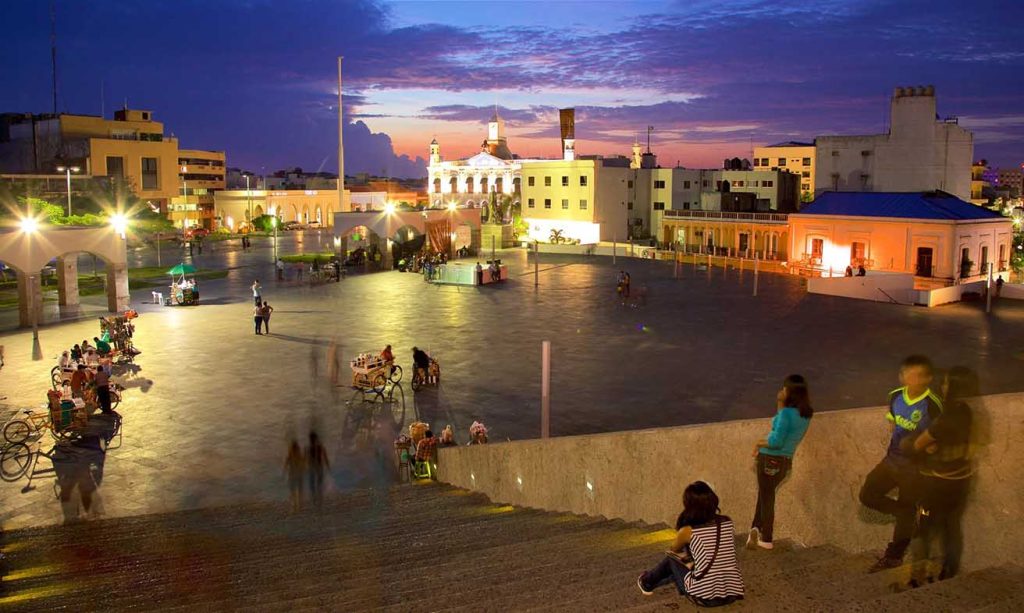
Evenings in Villahermosa are not filled with neon or nightlife chaos—they are soft, calm, and communal. Around 6 p.m., cafes begin to glow, and public squares fill with the rhythms of daily unwinding.
At Parque Tomás Garrido Canabal, one of the city’s largest green spaces, the transformation at dusk is magical. Couples stroll hand-in-hand, children dart through illuminated fountains, and musicians perform under trees. One saxophone solo stopped me in my tracks; I listened for nearly an hour as he poured out songs without words.
In Zona Luz, near the main plaza, I saw older residents dancing to old-fashioned rumba music blaring from a vintage speaker cart. There were no crowds—just a handful of participants and quiet onlookers, all bathed in the gentle light of the evening.
These moments are what travel is truly about—not checking landmarks off a list, but sitting still long enough to feel the pulse of a place.
9. Culture Isn’t Trapped in Museums—It Lives in Festivals and Everyday Joy
Though I didn’t coincide with Villahermosa’s biggest celebration—the Tabasco State Fair—I still felt the city’s cultural heartbeat. In local neighborhoods and plazas, the enthusiasm for tradition is unmistakable.
One day, I stumbled upon a folk dance performance at a municipal cultural center. The dancers wore colorful costumes: men with wide-brimmed hats, women in finely embroidered dresses. Accompanied by marimba music, they performed zapateado, a form of rhythmic footwork that echoed like drums. The audience clapped in sync, sharing in the joy.
Another time, at a neighborhood market, families gathered for a local food fair. Women ground corn by hand, elders sold homemade honey rum, and children chased each other between booths. These weren’t staged events—they were genuine, lived expressions of heritage.
True culture doesn’t sit in glass cases. It sizzles on hot griddles, plays out in plazas, and dances under the open sky.
10. Before Leaving, Give Yourself a Chance to Look Back at the City
On my final day, I climbed a small hill just outside the city—Cerro de la Pava. It’s one of the few elevated points in Villahermosa. From the top, you can see the city stretch out beneath you.
At dawn, mist clung to the rooftops and the river shimmered in the golden light. I sat quietly, letting the city settle into memory. Just a few days ago, this place had been a blank page to me—now, it felt familiar, rooted.
Travel isn’t about the number of destinations; it’s about how deeply you understand a way of life. Villahermosa doesn’t dazzle or shout. It whispers its stories, in its own slow rhythm.
On my way down, I paused at a small roadside shrine—there was a statue of the Virgin Mary surrounded by flowers and candles. I lit an incense stick. Not as a farewell to the city, but as a goodbye to the version of myself who arrived not knowing what he would find.