It was a sun-drenched afternoon when I arrived in Ciudad del Carmen. The clouds, scorched white by the tropical heat, hung lazily in the sky while the salty breeze from the Gulf of Mexico swept inland, carrying with it the distinct rhythm and scent of the city. Nestled on an island off the western coast of Campeche, separated from the mainland by a wide lagoon, Ciudad del Carmen has long existed at a cultural crossroads. Its relative seclusion has helped it preserve traditional ways of life, even as modern touches creep in along the edges.
This trip of mine wasn’t one meticulously planned with tourist hot spots and tight itineraries. Rather, it was a journey meant for wandering, a way to experience the city through its textures, smells, and stories. Above all, I came seeking objects that could hold memory—local handicrafts and meaningful souvenirs that carry more than monetary value. For me, these are the real treasures of travel: things that, once brought home, continue to whisper stories of distant places and people.
1. It All Begins at the Market: Morning at Mercado Principal
The next morning, I set out early to explore the beating heart of the city—the Mercado Principal, or Main Market. A quick taxi ride from my hotel brought me into the vibrant chaos of daily life. Along the way, I passed men on bicycles delivering crates of fruit, elderly gentlemen in straw hats strolling without hurry, and the occasional street vendor wheeling a cart full of tamales.
The market’s entrance was flanked by corrugated metal stalls, the kind worn thin by decades of sun and sea air. Vendors called out in rapid Spanish, their voices mixing with the scent of fresh shrimp, ripe mangoes, dried chilies, and frying tortillas. The air was dense with life and warmth—slightly overwhelming but deeply authentic.
Beyond the fish section, I found the area reserved for artisan goods and souvenirs. Here, stall after stall offered handmade jewelry, carved wooden toys, embroidered bags, and pottery. One corner stall caught my eye—an elderly woman named Anabel sold jewelry made from seashells, most of which, she proudly told me, were collected by her grandson each morning from Playa Norte.
I picked up a necklace made from a polished tortoiseshell-hued conch shell, strung with a tiny silver fish carved by hand. It was delicate, sincere, and quietly beautiful—the kind of piece that holds both craftsmanship and sentiment.
2. The Soul in the Stitch: Huipils and Traditional Dress
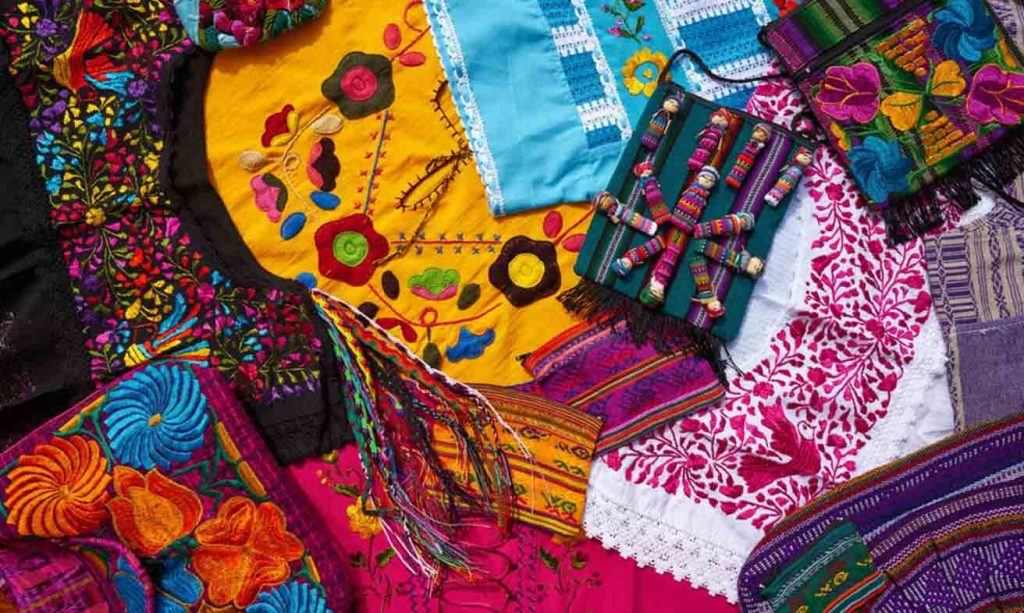
Leaving the market, I wandered up Avenida 31, where a few humble boutiques quietly displayed the colorful heritage of the region—traditional clothing, particularly the embroidered tops and dresses known as Huipiles, deeply rooted in Maya culture.
In a modest shop called La Flor de Yucatán, I spent nearly two hours poring over the selection. The one I chose was a white cotton blouse, soft to the touch and beautifully embroidered with a panel of marigold and crimson flowers across the chest, framed in delicate cobalt trim. The store owner explained that the patterns, unique to each family or village, are often passed down from grandmother to granddaughter. Every stitch tells a story—of nature, of protection, of ancestral pride.
Trying it on, I was struck by how the fabric carried a sense of care. It was more than a garment; it was a form of living history. The shopkeeper, a woman in her sixties, proudly showed me a Huipil her mother had made in the 1980s—worn and faded, yet full of spirit. It was clear that these clothes are made not for fashion, but for remembrance.
3. A Gift from the Lagoon: Traditional Salt from Laguna de Términos
To the north of the city lies the vast Laguna de Términos, an ecological sanctuary and one of the region’s quiet marvels. But the lagoon is also known for something more humble yet precious—its sea salt. Among the standout products here is a locally crafted line called Sal de Carmen, which has gained popularity in both local markets and gourmet kitchens.
At a small specialty shop named Productos del Golfo, I discovered these beautiful jars of pink-tinged sea salt, each sealed with red wax and tied with twine, bearing hand-printed labels on recycled paper. They had a rustic elegance—refined but grounded.
The shop owner explained that the salt is still made the old-fashioned way: by hand, through evaporation pools and sun-drying methods passed down through generations. No machinery. No additives. Just the sea, time, and patience. I sampled three flavors: original, smoked chili, and dried lime. Each had a bold and distinct flavor, but the dried lime—zesty with a whisper of citrus—stood out as a perfect seasoning for grilled fish or ceviche.
4. Sweet Nostalgia: Handmade Caramel and Coconut Candies
No trip to Ciudad del Carmen would be complete without exploring its traditional sweets. In the Calle 22 district, I stumbled upon several charming old-fashioned candy shops, one of which—La Dulcería de Doña Clara—seemed untouched by time. Behind a glass counter stood row upon row of locally made confections: coconut macaroons, caramel fudge, candied tropical fruits, and more.
I bought a box of Cocadas—a beloved regional treat made from grated coconut, condensed milk, and a touch of vanilla. Baked until golden at the edges, they had the perfect balance of sweetness and chewiness. The young clerk told me they’re often made in large batches for holidays, weddings, and festivals, their recipe unchanged over generations.
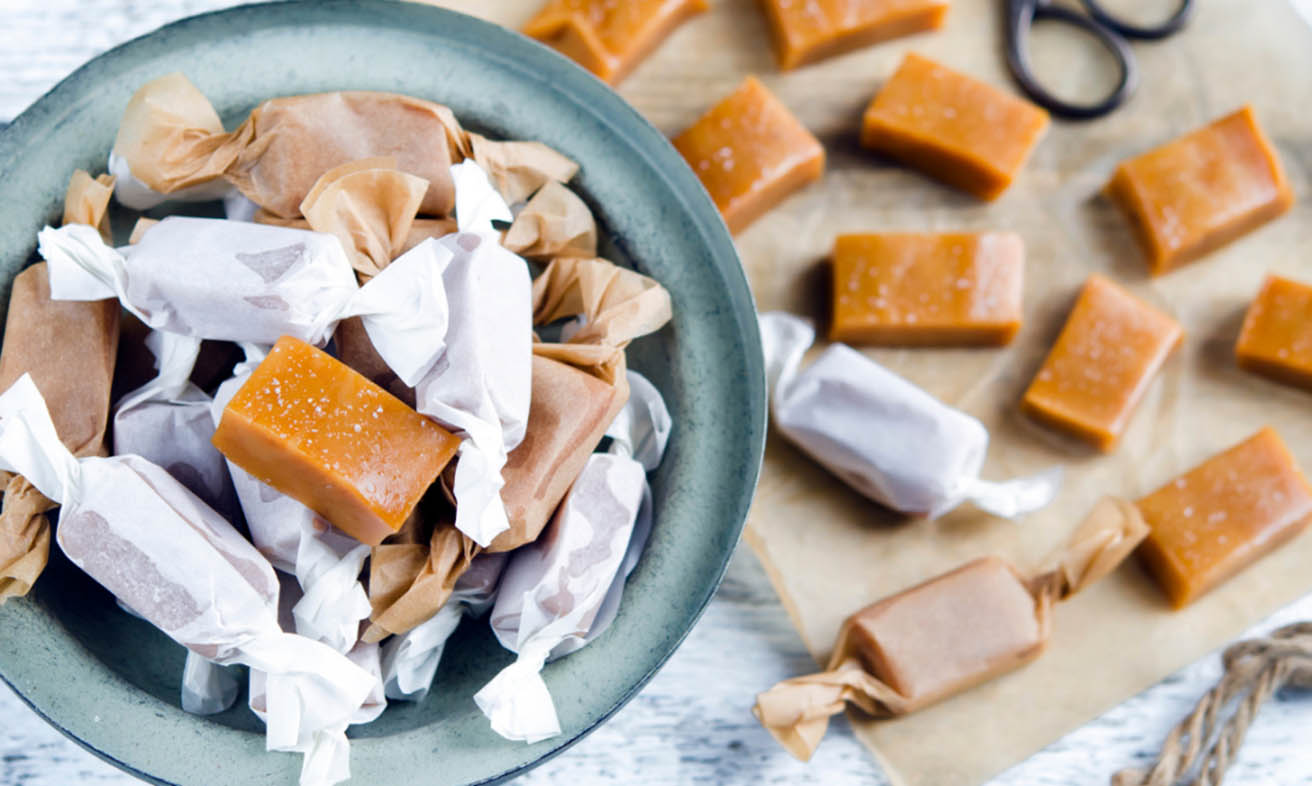
I also sampled Dulce de leche—a dense, amber-colored caramel cut into perfect squares. It’s made the traditional way, by simmering milk and sugar in copper pots over low heat. Creamy, rich, and impossibly smooth, it reminded me of a time when sweets were crafted with patience and intention. I bought six boxes, each wrapped in kraft paper and tied with ribbon, thinking of friends and family back home who would savor them as I did.
5. Beauty in Scales: The City’s Unique Fish Scale Art
Fishing is more than an industry in Ciudad del Carmen—it’s a way of life, and that life finds its expression even in art. While wandering near the harbor, I discovered a tiny gallery tucked between buildings: Galería del Mar. Inside, what looked like mosaic paintings from a distance turned out to be something far more unique—each piece crafted entirely from dyed and shaped fish scales.
The artist, a soft-spoken man named Lázaro, welcomed me warmly and explained his process. It took him three years to master the cleaning, softening, and dyeing of scales to achieve a pearlescent shimmer akin to mother-of-pearl. His pieces depicted port scenes, fishermen setting out to sea, moonlit waves, and stories whispered by the tide.
I purchased a small but intricate work—a night harbor bathed in lantern light. Each glimmer, each ripple of the sea, was created by layering slivers of scale like brushstrokes. Lázaro signed the back with a simple blessing: Que el mar te acompañe siempre—May the sea always accompany you. And in that moment, it felt like a promise.
6. The Scent of Memory: Herbal Sachets and Essential Oils
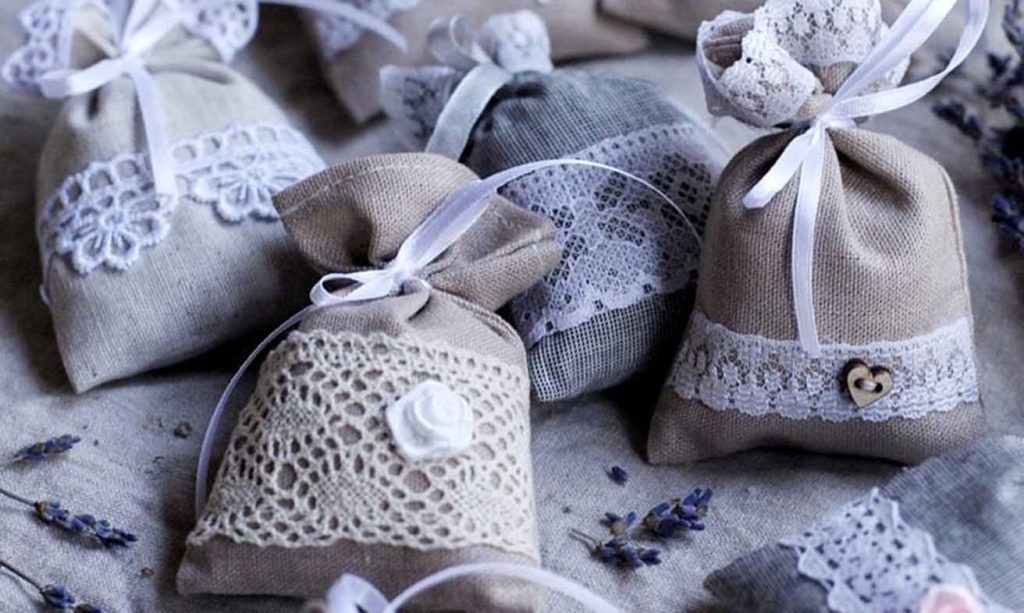
A few blocks from Plaza Cívica, I came upon a serene little shop named El Jardín Secreto. This herbal apothecary-meets-artisan workshop specializes in locally sourced plants, aromatherapy sachets, and small-batch essential oils.
Unlike the bustling market, this space was calm and fragrant, like stepping into a botanical sanctuary. Here I found sachets made from native herbs like hierba buena (mint), sandalwood, bay leaves, and a wild blossom known locally as flor del aire. Each was sewn into delicate cloth pouches, hand-embroidered with traditional patterns. Every blend served a different purpose—some for sleep, some for travel, others to freshen linens or ward off insects.
I selected a set of travel sachets, each representing a distinct scent story, packaged in a hand-stitched cotton pouch and wrapped in recycled paper folded into an envelope—an eco-conscious touch that felt very intentional.
I also purchased a small 10ml bottle of essential oil made from bitter orange leaves and zest, distilled locally. Its fragrance was clean and mildly sedative—a companion for long flights or restless hotel nights. I tucked it into my bag like a hidden charm.
7. A Conversation with Clay: Pottery and the Touch of Time
On my last day, I ventured just outside the city to San Nicolás, a quiet village known for its artisanal ceramics. I had scheduled a workshop with Aurelio, a third-generation potter who welcomed me into his sun-drenched studio.
Aurelio, reserved yet kind, spoke of his grandfather who taught him the craft. The studio was filled with drying vessels, bowls, and vases, each shaped from clay harvested near the Términos lagoon. He showed me a special series he called Barro del Golfo—Gulf Clay—fired from reddish earth that gives each piece a warm, natural hue.
Under his guidance, I tried shaping a small cup on the wheel. My fingers clumsy and uncertain, the result was far from perfect, but the act itself felt grounding. Before leaving, I chose a handmade vase adorned with a simple but captivating design: the Moon Goddess from local folklore, her silhouette traced in earthy glaze. It felt ancient, like something unearthed from a dream.
8. Evening Reflections: Looking Back and Forward
That night, I strolled along the Malecón—the boardwalk facing the sea. My bag was heavier now, filled with gifts and keepsakes, but my heart carried the true weight of the journey: the people I met, the stories shared, the scents, tastes, and textures that lingered long after the sun had dipped below the horizon.
The souvenirs I gathered weren’t just things—they were memories shaped by hands, by tradition, by love. In a world spinning ever faster, Ciudad del Carmen offered a gentle reminder: there is still beauty in taking time, in honoring heritage, in the slow art of creation. And as I prepared to leave, I knew these treasures would keep that spirit alive wherever I went.