As soon as I stepped into Ciudad del Carmen, a salty breeze swept in from the Gulf of Mexico, brushing against my clothes with a gentle, humid touch. Nestled in the southeastern corner of Campeche state, this island city rarely makes headlines in tourist brochures, but it carries a calm, unpretentious charm. The appeal of coming here lies in escaping the clamor of urban life and following a path that resists the rigidity of standard travel guides—a journey that flows from a sun-drenched beach at dawn to the muted, historical streets of dusk. In a single day, I sought to experience the texture and soul of the city.
1. That Moment at Sunrise: The Morning Light of Playa Norte
At six in the morning, the sky was still dim, veiled in soft shadows. I left my hotel on foot, heading for Playa Norte. The city was serene at this hour—no traffic, just the distant hum of a passing motorbike and the faint stirring of wind through empty streets. Playa Norte, one of the city’s most beloved beaches, has not been overtaken by overdevelopment. Its sand is powdery and fine, and the waves roll in with a soothing rhythm, echoing like a lullaby against the shoreline.
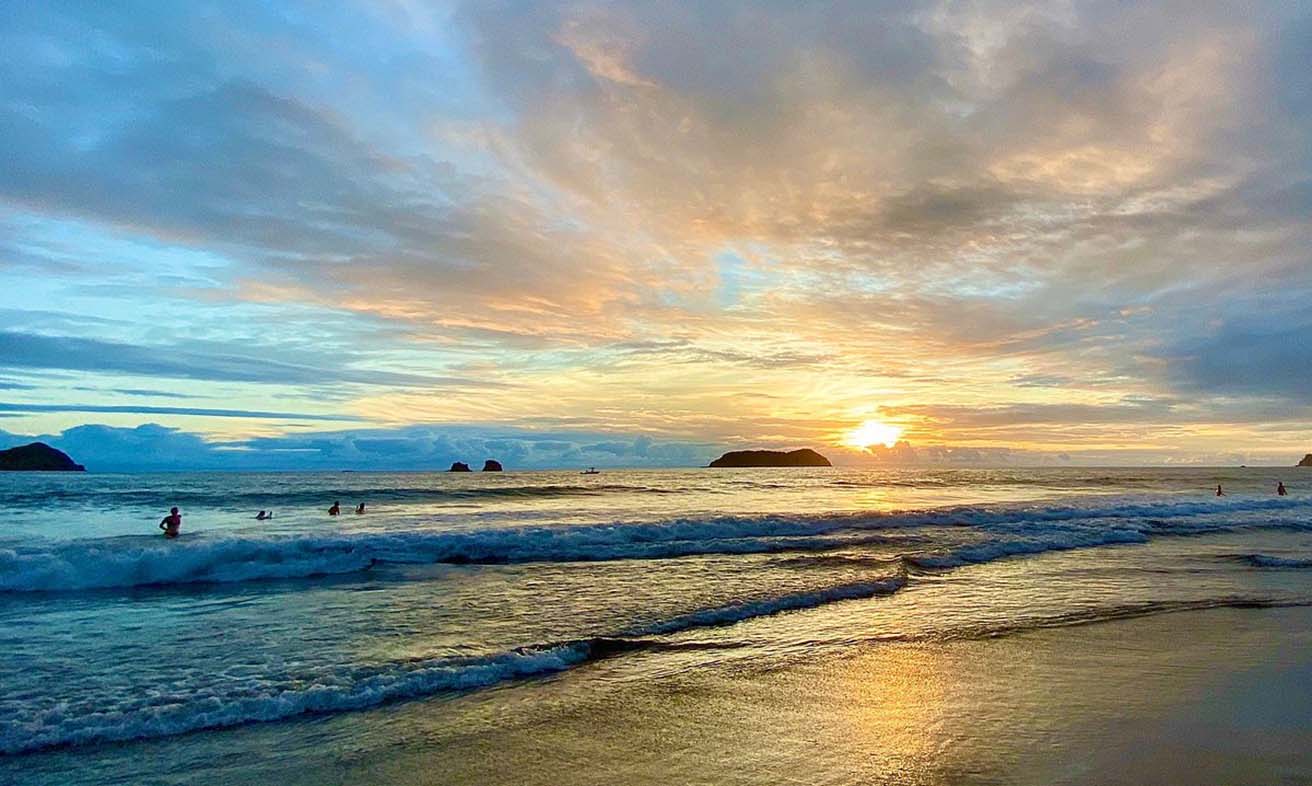
As I stood by the water, the eastern horizon gradually warmed into hues of amber and coral. The sun climbed slowly above the line of the sea, casting molten gold across the calm waters. A few early risers dotted the beach—some jogging along the edge of the surf, others performing yoga poses in quiet concentration. Nearby, a group of fishermen were preparing their boats, their tools clinking in the stillness. The breeze was laced with the scent of salt and coconut palms—clean, bracing, and invigorating.
I slipped off my shoes and walked along the sand. The grains were warm and slightly damp, pressing between my toes with each step. I picked up a seashell—still wet, rough with bits of grit—and held it to the light. In these small, quiet details lay a form of tranquility that felt elusive in bigger, noisier cities. Playa Norte isn’t just a place to see the sunrise. It’s a place to forget time entirely, to stare at the horizon for an hour, or simply sit still with no purpose at all.
2. Breakfast at the Fish Market: Mercado de Mariscos
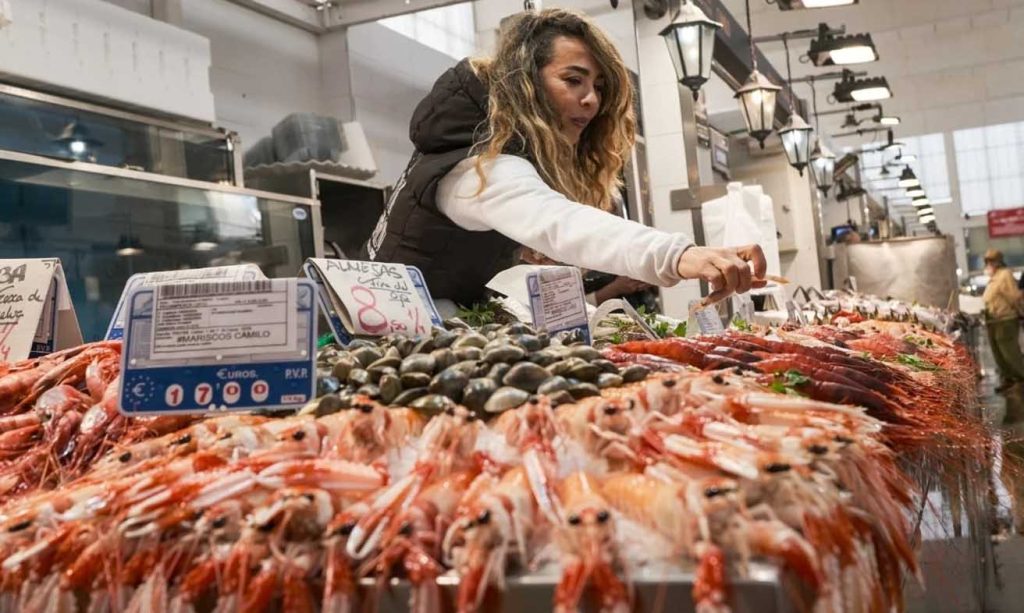
A fifteen-minute walk westward along the coast brought me to Ciudad del Carmen’s lively seafood market—Mercado de Mariscos. As I stepped inside, I was greeted by an unmistakable aroma of the sea: salty, fresh, and sharp. Rows of glistening fish, shrimp, and crabs were laid out over beds of crushed ice. Vendors were busy scaling fish, weighing lobsters, and calling out prices in loud, rhythmic Spanish. Around seven in the morning, the market hits its peak, bustling with chefs, local families, and the elderly, all hunting for the freshest catch of the day.
Next to the market, a cluster of modest eateries were already in full swing, their plastic chairs filled with regulars sipping on coffee or hot broth. I picked a popular-looking stall and sat down. I ordered caldo de camarón, a rich shrimp broth, served with steaming handmade corn tortillas. The soup was a deep, reddish color, thick with tomatoes, onions, coriander, and chilies. The flavor was bold, but not overpowering—each spoonful warming my chest and stirring my senses. The tortillas, warm and pliable, had a faint smokiness from the griddle. A squeeze of fresh lime and a bite of crispy fried fish on the side made for an unforgettable morning meal.
Stepping out of the market, I noticed the city had already begun to stir. Outside, the walls were adorned with vibrant murals—images of whales, sea turtles, and old fishermen. These paintings brought a splash of color and storytelling to the neighborhood, echoing the maritime spirit that defines the city.
3. Down the City’s Artery: Avenida 10 de Julio
Leaving the market, I continued down Avenida 10 de Julio, the city’s central artery, running north to south. It’s not just a thoroughfare—it’s a living corridor where the city reveals itself in layers. Government offices, mom-and-pop pharmacies, small grocers, and traditional eateries line the street. The buildings are mostly two stories high, modest and colorful—painted in mustard yellows, ocean blues, terra-cotta reds. Some show their age with flaking paint and cracked tiles, but they feel alive, not neglected. Many windows are framed with iron railings, holding pots of succulents or trailing vines.
Closer to downtown, the street turns more eclectic. Street vendors display bright handwoven fabrics, carved wooden masks, and seashell jewelry. One stall caught my eye—a small sculpture of a bird made from coconut shell, rough and simple, but expressive. The vendor, a middle-aged man with a weathered face and thick stubble, chatted with me in hoarse Spanish. We talked about carving techniques, the recent storms, and how business had been lately. Before I left, he handed me a small coral-stone keychain as a gift, saying, “Para que recuerdes el mar.” So you’ll remember the sea.
4. The Light of the Afternoon in the Old Town
Wandering into Centro Histórico, the rhythm of the city changed completely. The streets grew narrower, the buildings leaned closer together, and time itself seemed to stretch and slow. Here, the past is not confined to a museum. It lives in the peeling paint, the iron lanterns, the weathered doors with their old hinges.
The Iglesia del Carmen, a white-walled church with a red roof, stood at a quiet crossroads. Its modest façade hid a beautiful interior—arched ceilings, a cool hush, and stained-glass windows that caught the sunlight in jeweled colors. Across the street, I found a tiny café with a shaded patio. I ordered a cold brew and a square of cocada, a local dessert made from coconut, sugar, and condensed milk. Sweet, dense, and chewy.
People passed slowly—children pedaling rusty bikes, elders resting on benches, their hats pulled low. A stray dog dozed in a doorway. The café had no music playing, just the occasional clink of dishes and the gentle rustle of leaves in the courtyard. Each door in the old town seemed to hint at stories—some still inhabited, others forgotten. Some painted afresh in teal or maroon, others bearing the touch of time with flaking layers and rusted handles.
5. Museo Victoriano Nieves: A Tapestry of History
Just on the edge of the old quarter is the Museo Victoriano Nieves, a small, unassuming museum that nonetheless holds a deep reservoir of the city’s past. The exhibits cover everything from ancient Mayan roots to Spanish colonization and the rise of the modern fishing and petroleum industries.
A particularly striking feature was an old hand-drawn city map from the late 1800s. Streets and coastlines were sketched in fading ink, back when the city was more a fishing village than a formal town. I stood in front of it for what felt like ages, tracing names of roads that still exist today, even if their appearance had completely transformed. There was a quiet beauty in seeing the layers of time laid out so clearly.
Another section displayed traditional fishing gear, ropes, nets, and wooden traps, along with folkloric clothing—fabrics faded by age but still intricate in pattern. This small space captured the city’s identity with sincerity and care, a place where memory was preserved without grandeur, but with dignity.
6. Strolling the Malecón: The Quiet of a Coastal Evening
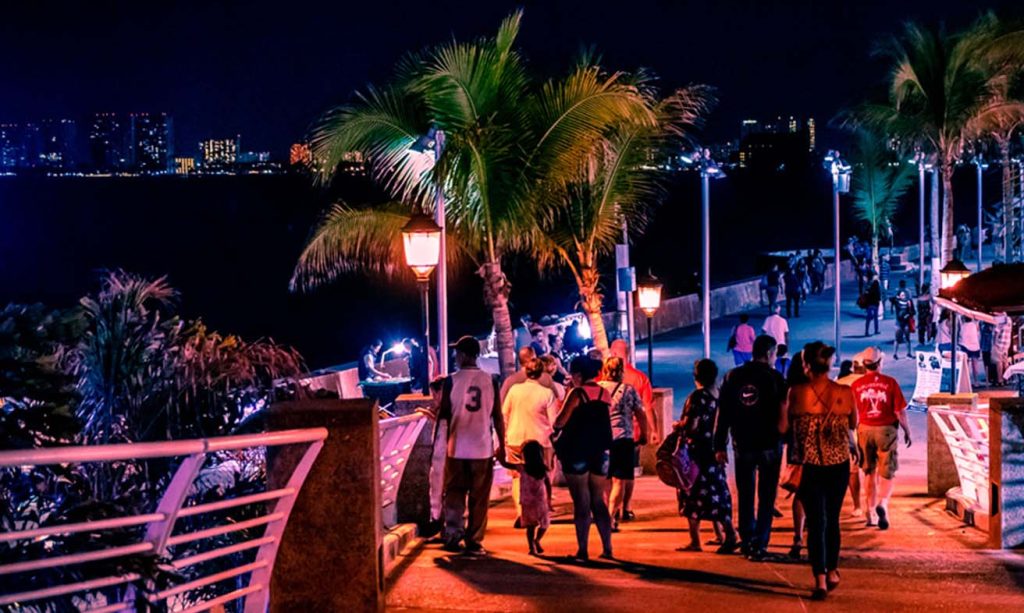
As the afternoon cooled and gold light stretched across the rooftops, I made my way to the Malecón, the long waterfront promenade running along the city’s western edge. This path follows the coastline in gentle curves, inviting people to walk, jog, sit, and simply watch the world change color.
I found a bench and settled down facing the bay. The sky was ablaze with color—rose, peach, lilac—blending over the water. Fishing boats drifted slowly back to the docks, silhouetted against the setting sun. The sea shimmered like liquid glass, broken only by the occasional leap of a fish or the bob of a pelican.
Nearby, a couple fed pigeons from a paper bag. Children ran in circles around a fountain, their laughter echoing in bursts. A guitarist played soft, nostalgic tunes, his hat turned upward for spare coins. I didn’t need to understand the lyrics—the notes alone carried warmth and longing. A food vendor rolled his cart by, calling out “elote!”—Mexican-style corn on the cob. I bought one, slathered in mayonnaise, chili powder, cheese, and lime. The crunch, the heat, the salt, all melded into a flavor that was both chaotic and comforting.
7. Isla Aguada by Night: An Unexpected Encounter
I had planned to return to the hotel for the night, but during a chat with my taxi driver, he suggested a short trip to Isla Aguada, a quiet fishing village about thirty minutes away. There was something about the way he described it—peaceful, unspoiled—that made me want to see it for myself.
We drove across the long causeway under a blackening sky. The road was nearly empty, bordered by darkness and the faint whisper of water on either side. When we arrived, the village was hushed, bathed in starlight. I walked to the pier where boats rocked gently in the water. Above, the night sky was so clear it looked painted. The Milky Way stretched overhead in dazzling clarity—a sight made possible only far from city lights.
Only one place was still open: a small tavern at the edge of the dock. I walked in and was greeted by a dim, amber glow and the soft murmur of conversation. The air smelled of rum, fried seafood, and sea salt. I ordered a glass of rum and a plate of shrimp fritters. The walls were adorned with old photographs, nets, and wooden oars—relics of decades past. The owner, a silver-haired woman with kind eyes, brought my drink and smiled, “Bienvenido a Aguada.” Welcome to Aguada. It was a moment of quiet hospitality that lingered well beyond the taste of the rum.
8. Reflections on the Way Back
Driving back across the causeway under a moonless sky, the lights of Ciudad del Carmen began to flicker back into view. The day played in my mind like a slide show—sunrise on Playa Norte, the scent of shrimp broth, the hidden alleyways of the old quarter, the music on the malecón, the stars above Isla Aguada. These weren’t grand moments of spectacle, but tactile, grounded fragments of life that stayed with me.
Ciudad del Carmen doesn’t clamor for attention. It doesn’t need to be conquered or checked off a list. Its charm lies in its ordinariness: the crash of waves on bare feet, the earthy sweetness of cocada, the chatter of vendors at dawn, the echo of folk songs at sunset. This city reveals itself not in towering landmarks, but in the lives unfolding quietly along its shores.