When I first arrived in Moscow, I assumed the city’s main draw would be Red Square, the Kremlin, and its magnificent historic architecture. Yet, what truly made me look forward to heading out each day was the city’s dining scene.
In Moscow, food is not merely a superficial “tourist experience” but an integral part of the city’s rhythm. From traditional Russian cuisine to modern fusion, and from upscale restaurants to street-side cafés, every meal felt like reading the city in a different language.
On this trip, I didn’t set out to tick off a checklist of famous spots; instead, I wandered into various restaurants as an ordinary diner, seeking to understand Russia through my taste buds.
Stop 1: The Warmth of Classic Russian Cuisine
On my very first day in Moscow, I chose a traditional Russian restaurant to kick off my culinary exploration. The menu featured names that were at once familiar and foreign, giving me pause, but I ultimately decided to start with a few absolute classics.
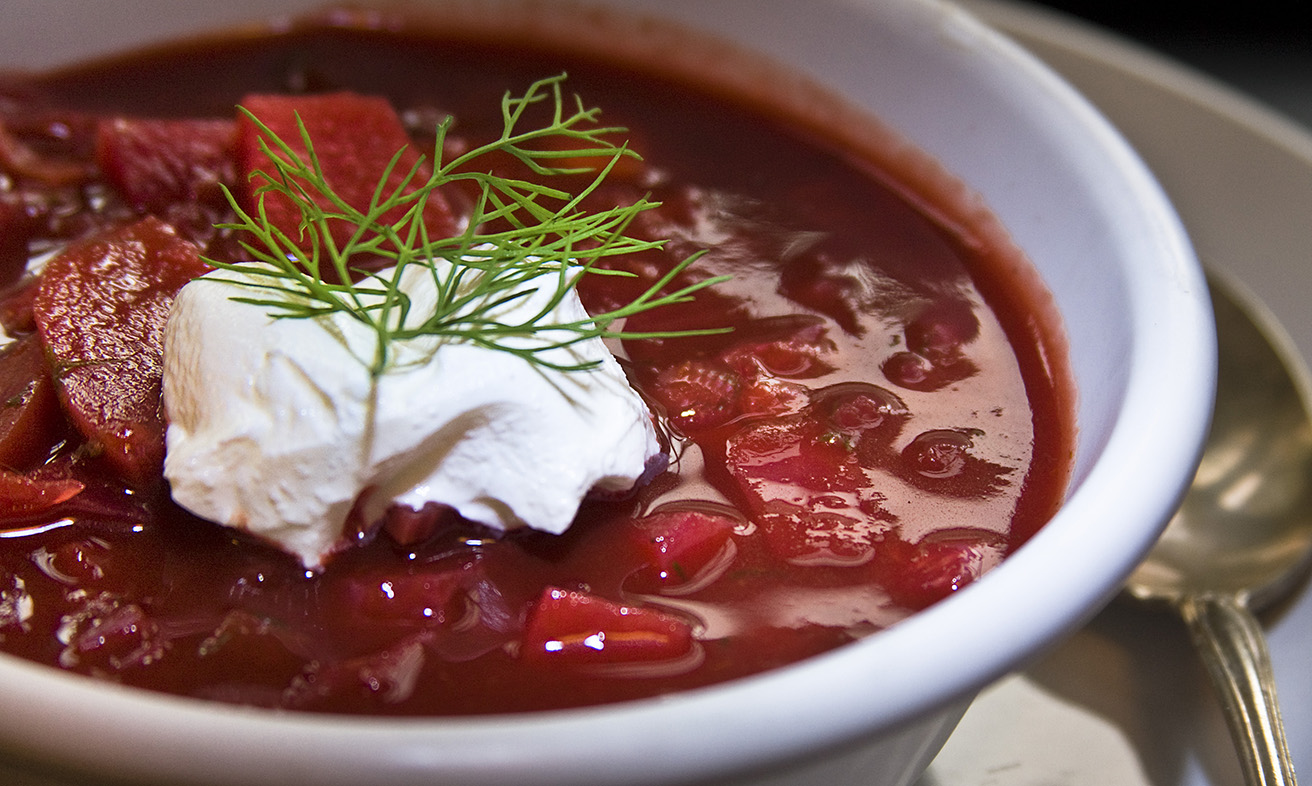
First to arrive was the Borscht. The deep-red soup looked rich and inviting, filled with beetroot, beef, and vegetables, and topped with a dollop of sour cream. With the first spoonful, I could clearly taste a complex interplay of sweet and sour notes—warming and appetizing all at once. In Moscow’s chilly weather, this bowl of soup felt like a genuine comfort for the body.
Next came the Beef Stroganoff. Tender strips of beef coated in a creamy sauce paired perfectly with mashed potatoes, creating a wonderfully smooth texture. Unlike the Western-style steaks I was used to, this dish offered a sense of “home-style comfort”; it lacked elaborate culinary flourishes yet delivered a deeply satisfying, authentic experience.
Finally, there were the Blini (Russian pancakes). Served thin with either caviar or honey, I tried both the savory and sweet versions. The caviar version carried a distinct, salty taste of the sea, while the honey version leaned towards dessert—two completely different experiences.
This meal made me realize that Russian cuisine isn’t overly complex; rather, it places great importance on “warmth” and a sense of hearty satisfaction.
Stop 2: A Slow-Paced Life in Street-Side Cafés
During my few days in Moscow, I gradually grew accustomed to the city’s rhythm and began to enjoy dropping into street-side cafés. Compared to formal restaurants, these spots offered a better glimpse into the locals’ daily lives.
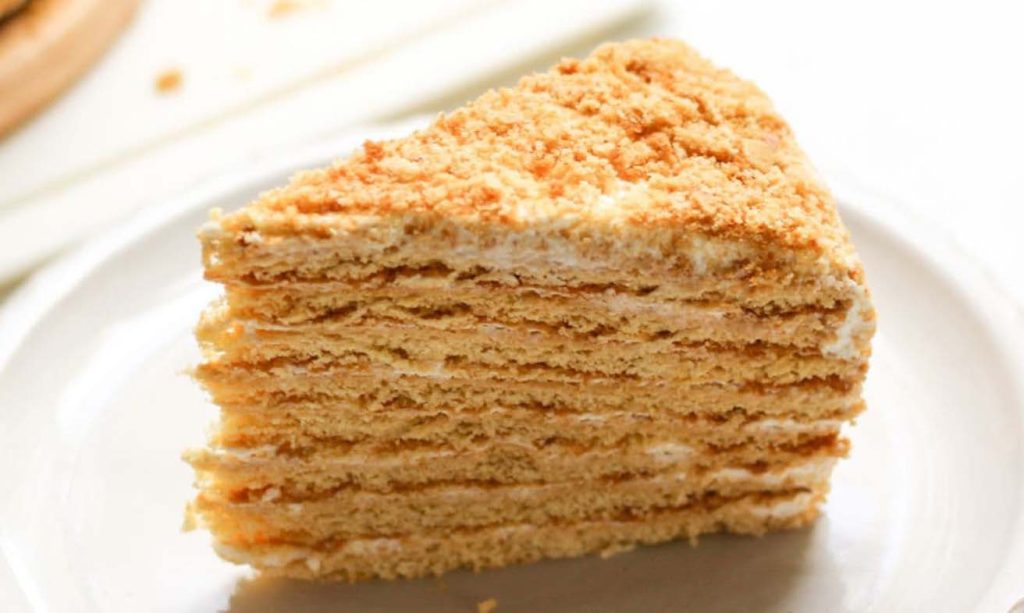
I ordered a black coffee and a slice of honey cake. The coffee was on the bitter side but rich and full-bodied, while the cake boasted a distinct honey aroma and nutty undertones. Sitting by the window and watching pedestrians hurry past, I realized that the true meaning of travel isn’t just about “sightseeing,” but about immersing oneself in a particular pace of life.
At another café, I tried Syrniki—Russian-style cottage cheese pancakes. Crispy on the outside and soft on the inside, they were delightful when paired with jam or sour cream. They may lack a flashy appearance, but they embody a quintessential sense of “everyday happiness.”
Stop 3: Caviar and the Fine Dining Experience
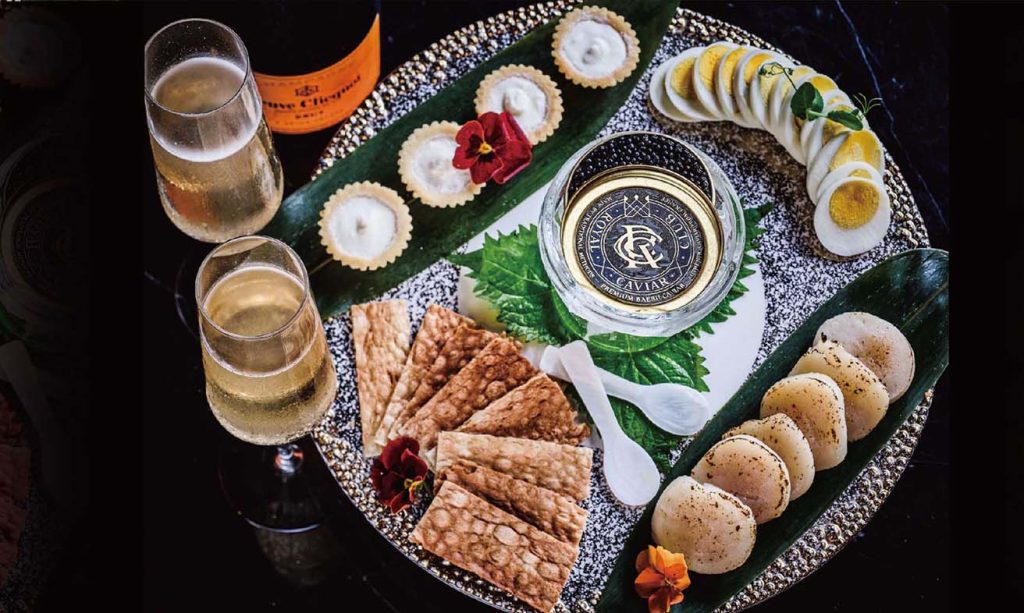
It is hard to visit Moscow without trying caviar. So, I booked a table at an upscale city-center restaurant to experience Russian fine dining.
When the waiter brought out the caviar platter, I experienced a true sense of “occasion.” There was black bread, butter, caviar, and a glass of chilled vodka (of which I took only a small sip).
The caviar offered a distinct “pop” upon tasting, releasing a savory, salty flavor across my palate; paired with the slight tang of the black bread, it created a unique balance. To be honest, it wasn’t the kind of food that is “mind-blowingly delicious,” but rather a cultural experience—representing Russian culinary tradition and identity.
Throughout the meal, I found myself “understanding” the experience more than simply enjoying the food.
Stop 4: The Bustling Atmosphere of Markets and Delis
If high-end restaurants represent Moscow’s refined side, food markets reveal a more authentic one.
I visited a local food market filled with stalls offering prepared foods, pickles, cheeses, and breads. I bought a Shashlik (meat skewer) and a glass of homemade fruit juice.
The skewer was slightly charred on the outside yet juicy on the inside; the simple seasoning served to highlight the natural aroma of the meat. Nearby, there are stalls selling pickled cucumbers and sauerkraut—tangy staples frequently found on Russian dining tables.
Eating at the market feels completely different from dining in a restaurant; there is no formal service or elaborate plating, yet it feels much closer to the essence of everyday life.
Stop 5: Dessert Time and a “Winter Energy Boost”
During my final days in Moscow, I grew to love the local dessert culture. Sweets became a vital source of energy, especially in the cold weather.
I tried Medovik (honey cake). It is a multi-layered cake where every layer carries the aroma of honey; the texture is moist yet not overly rich. Unlike the airy nature of many Western cakes, this one is denser and has a more substantial presence.
I also really enjoyed Russian cream rolls and jam pies. Paired with hot tea, they made for a wonderfully relaxing afternoon.
Savoring Moscow: A Culinary Journey Through Russia’s Heart
During my time in Moscow, I came to realize that the city’s cuisine doesn’t win through “refinement,” but rather by touching the heart with its authenticity and warmth.
From the comforting heat of borscht to the bustling atmosphere of the markets, from the ritualistic elegance of caviar to the casual rhythm of a café—every food tells a different story about Moscow.
If Red Square introduced me to Moscow’s history, then these culinary experiences allowed me to truly understand life in the city.
As I left Moscow, what stayed with me most vividly wasn’t a specific tourist attraction, but rather that steaming bowl of soup, that spoonful of sour cream, and that cup of coffee slowly cooling by the window.